Hard-sided or soft-sided suitcases: Which one should you choose?
Well, the big moment has arrived; you’ve decided that maybe it’s time to get rid of that old suitcase you inherited from your grandfather (which, on its own, reaches the maximum weight limit) and buy a new one. It’s all simple enough so far, except that you’ll most likely now face the first and most crucial dilemma for anyone buying a new suitcase: are hard-shell or soft-shell suitcases better?
In this guide, we’ll try to help you find the product that best suits your needs and makes your travel experience easier and more enjoyable.
Let’s be clear: the choice of materials is one of the fundamental aspects of a product like this, and choosing between plastic and fabric is very important. However, it’s not the only factor to consider when buying a suitcase; in fact, both materials offer excellent durability and strength—which is undoubtedly the most crucial factor for this type of product. The differences lie only in aspects that are subjective and context-dependent, depending on the buyer and their specific needs.
Rigid Materials
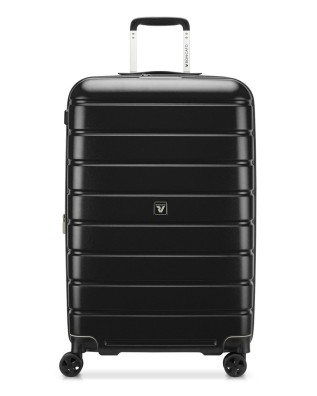
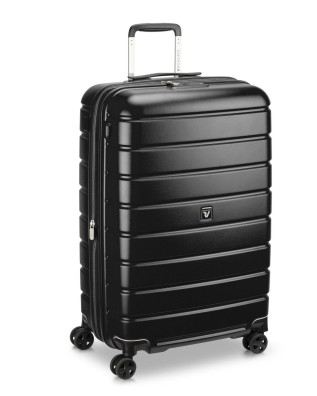
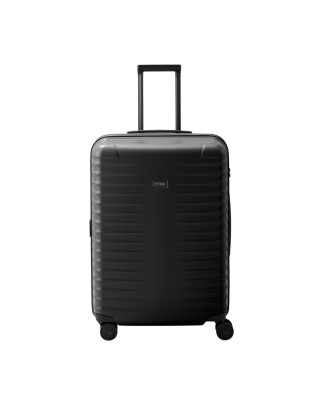
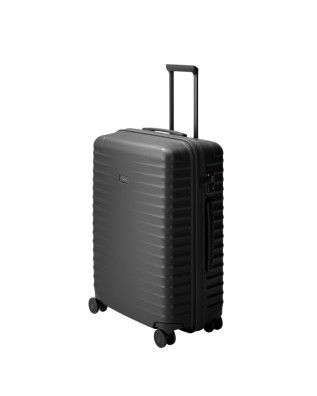
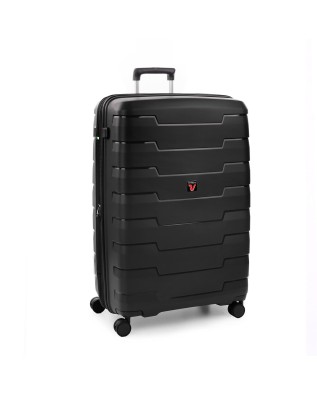
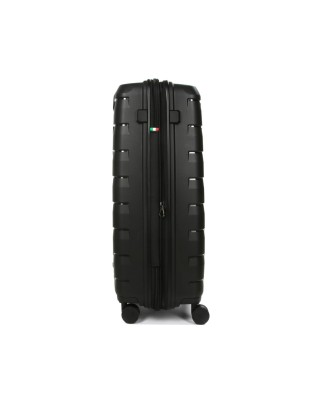
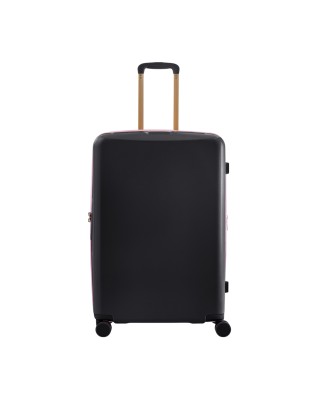
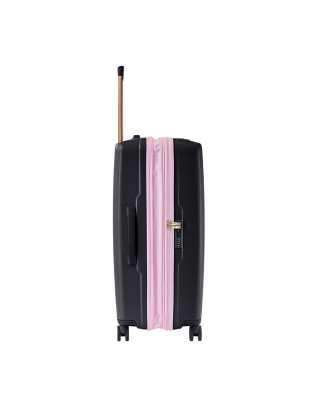
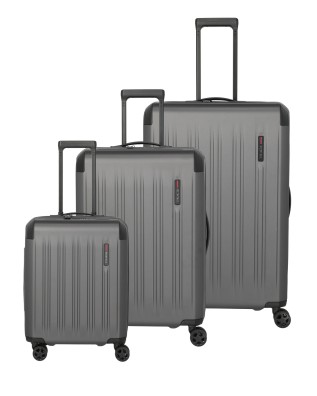
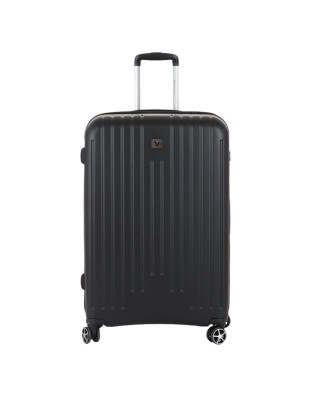
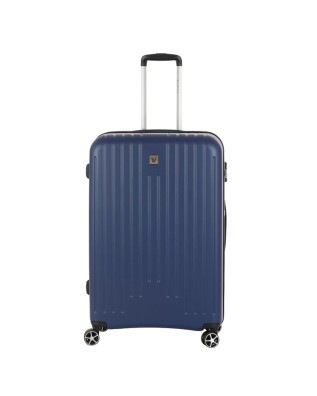
In this category, plastic-based materials undoubtedly dominate (polycarbonates, polypropylene, and—though to a lesser extent—ABS), along with aluminum and composite fiber materials such as Curv (used by Samsonite in its Cosmolite® line), which, however, deserve a separate discussion given their very distinctive characteristics. These are the materials most influenced by technological progress and those currently most widely used by manufacturers in the industry.
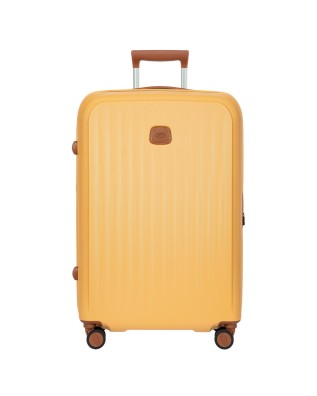
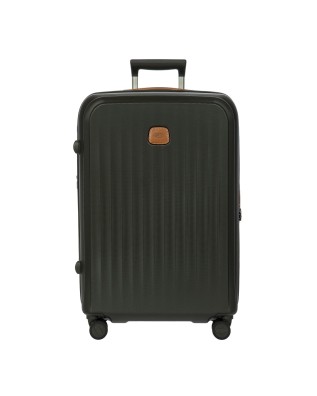
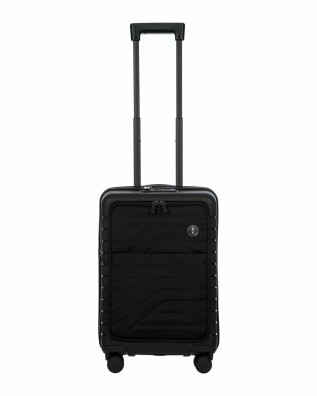
Among the pros are certainly extreme sturdiness and impact resistance—characteristics that guarantee greater protection for the contents compared to a traditional fabric suitcase. Furthermore, thanks to special patented blends (see, for example, Makrolon®, used by the Italian company Bric's in its “Capri” line), these materials gain greater flexibility—a quality that, in the world of luggage, goes hand in hand with durability.
On the other hand, they can be quite heavy; however, thanks to technological advancements, new materials are becoming increasingly lightweight, keeping pace with their fabric counterparts. Hard-shell suitcases are also highly susceptible to impact at critical points (edges and corners), where the material is less flexible and can break easily; so if you want to buy an excellent product (the price will certainly be higher but it will guarantee superior durability) made of hard-shell material, make sure it has corner protectors.
Finally (and this is especially true for carry-on luggage, where external compartments are essential to prevent your pockets from becoming overcrowded), finding a hard-shell product with sufficient compartmentalization—that is, with a wide selection of internal and, above all, external pockets—is very difficult, with a few exceptions that are generally more expensive than average.

Soft Materials
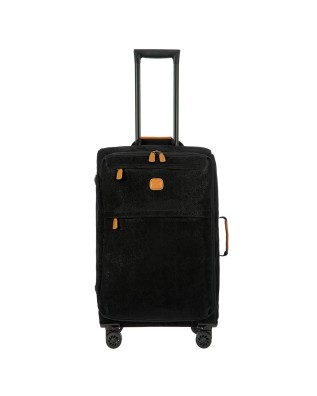
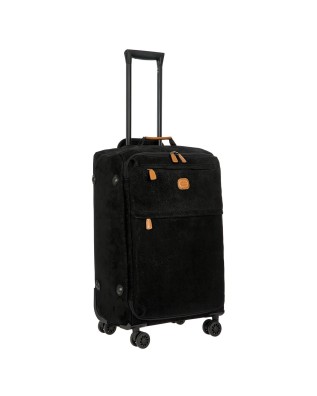
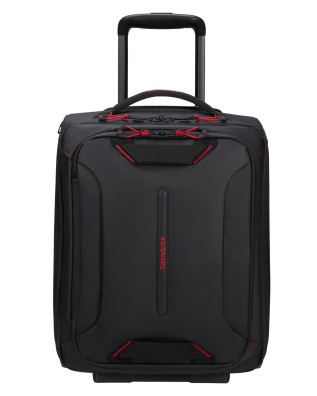
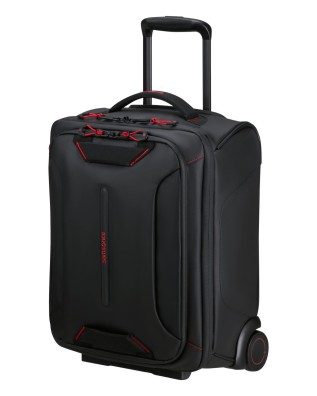
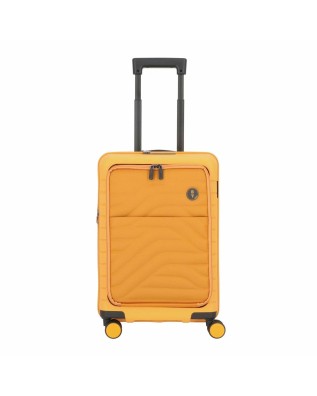
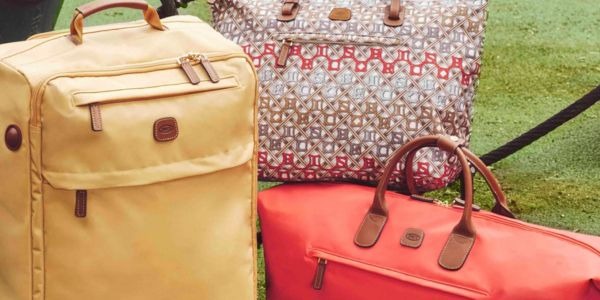
Here, our beloved polyester takes center stage; in fact, it’s the most widely used fabric by most brands in the industry, followed by the newer, more advanced Cordura nylon and ballistic nylon fabrics. These materials are generally more affordable (at least as far as polyester is concerned) than the ones we discussed earlier; therefore, the price of soft-sided luggage will generally be (albeit only slightly) lower than that of hard-sided alternatives of comparable quality.
One of the advantages of buying a soft-sided piece of luggage is certainly the greater ease of making the most of the available space: soft materials are, in fact, more easily deformable and therefore adaptable to the contents we intend to carry. They also have an advantage in terms of weight and certainly do not suffer from the impacts that could cause the shell of a hard-shell suitcase to break. They are recommended for those who travel by car, for example (due to their flexibility, which allows a fabric duffel bag to be arranged more efficiently than a hard-shell suitcase) and for those seeking a product with more compartments (especially on the outside).
However, they offer less protection for the contents against external impacts. Finally, at least when it comes to polyester, these materials are generally less resistant to cuts and abrasion than their hard-shell alternatives.
These are, in fact, the typical stresses luggage is subjected to during various movements within the airport—and the ones that affect suitcases the most.
In conclusion
At this point, we still haven’t told you what the best solution is or which one you should choose. Most likely because there is no single answer to this question: given the various factors we’ve listed, buying a piece of luggage is becoming increasingly (thanks above all to the hundreds of options available on the market from different manufacturers) a very personal choice that should be tailored to your specific travel needs.
Browse the Studioarch luggage collection or check out our Luggage Guide.
Titan - Medium 65 cm Polycarbonate 4-Wheel Upgrade Trolley
Latest Blog Posts:
Borse leggere 2026: il ritorno del nylon chic tra stile, praticità e design contemporaneo
Le borse leggere dominano la Primavera-Estate 2026: nylon tecnico e tessuti gommati firmati Gherardini, Bric's X-Travel e Ynot Cloud reinterpretano il lusso in chiave pratica, morbida e contemporanea.
Read more