The world of leather goods and tanning, in particular, is full of technical jargon and terms that often confuse those less familiar with the subject and make it difficult to make informed purchases.
You may have come across the term “full-grain leather” in the description of a high-quality leather accessory without fully understanding what it means. This in-depth guide will allow you—even if you’re not in the industry—to fully understand the characteristics of this material, so you can be confident in your choice.
It’s important to note that not all leathers are the same, and that each part of the hide has specific characteristics that make it more or less suitable for certain types of artisanal craftsmanship.
The characteristics of leather vary based on many factors, such as the animal’s age, the climate in which it lives, and the initial rough processing performed on the hide before tanning begins.
"Full-grain" or "first-grain" leather
Full-grain leather, also known as “first-grain leather,” is a material of the highest quality, unique in its kind thanks to its natural characteristics.
The distinctive features of an accessory made from full-grain cowhide are its softness and extremely silky feel, which are highly prized by lovers of artisanal leather goods.
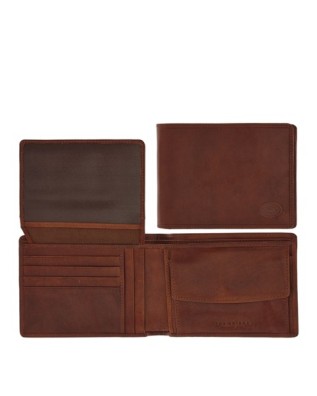
Full-grain leather is a material with an extremely natural appearance, rich in imperfections, which make each product completely unique; in fact, the distinctive feature of full-grain calfskin is the wrinkles on its surface, which should be considered a highly prized quality rather than a defect.
The Perfect Leather for Handcrafted Items
Full-grain leather is the outermost layer of an animal’s hide, the thickness of which is reduced as much as possible during the first stage of processing at tanneries, using a machine called a “splitting machine.”
This machine is capable of cutting the material crosswise with extreme delicacy without altering its physical characteristics or damaging it. Once the very thin layer is obtained, it is split into two parts, and the softer portion—known as the “full-grain leather”—is selected and used to create the highest-quality leather goods.
Among the most prized characteristics of this leather are undoubtedly its natural appearance—due to its many imperfections—and its durability, which ensures that an accessory’s style remains unchanged over the years.
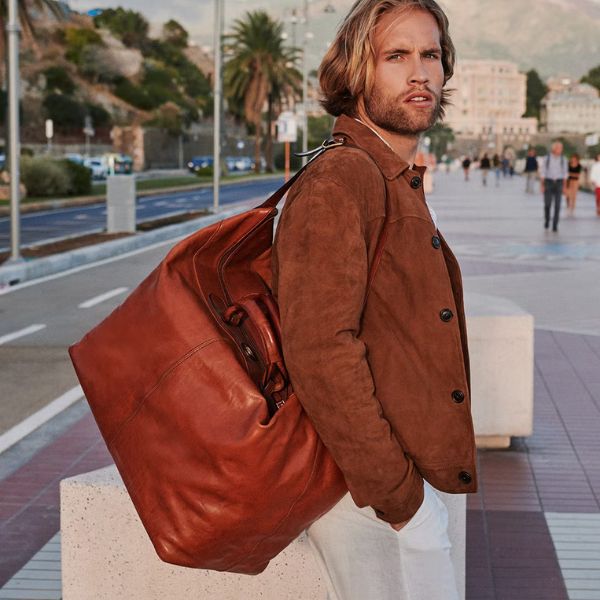
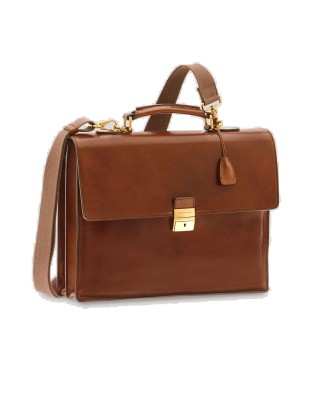
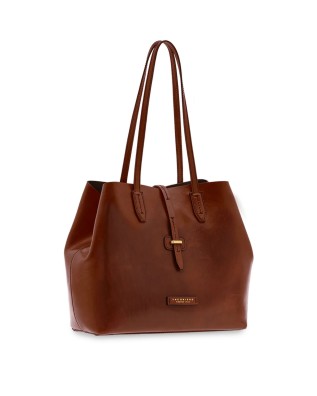
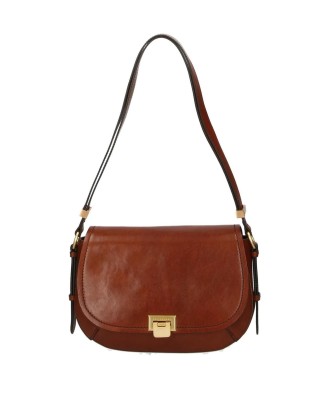
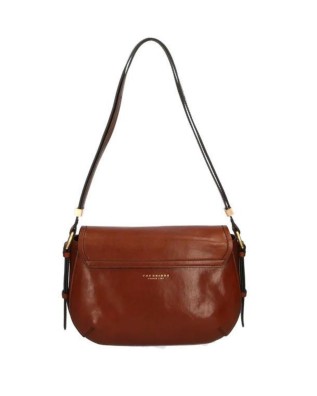
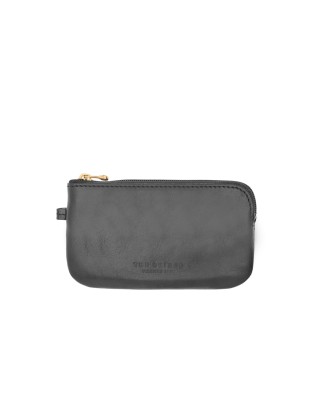
A classic example of accessories made from fine full-grain leather is offered by The Bridge, the Tuscan brand that has contributed to the global success of Italian leather goods with its collections of natural leather in a minimalist style, such as the “The Bridge Story” line.
Very often, however, there is a desire to cover natural wrinkles to even out the surface, and this is made possible by the process of hot-stamping certain patterns onto the leather, such as the “Saffiano” textures found on the famous Prima Classe bags and the “Dollaro” grain found in the craftsmanship of the “Braccialini” bags.
This type of treatment affects only the leather’s appearance and in no way compromises the final quality of the product, which remains unchanged and retains all its original characteristics. Once the process is complete, the treated leather is referred to as “corrected grain,” and it is precisely thanks to its uniform surface that daily cleaning and maintenance are very simple.
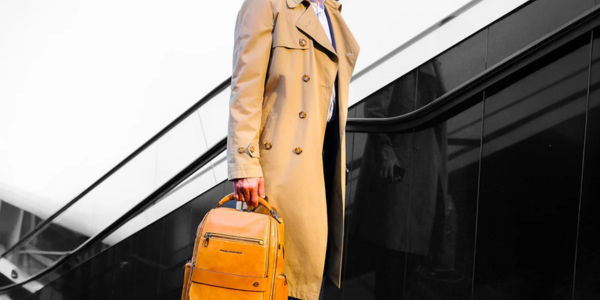
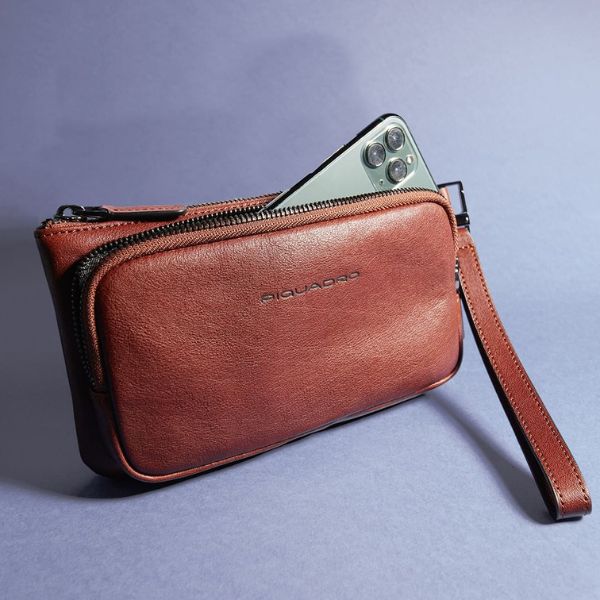
This type of material is often used to create leather accessories, such as all products in Piquadro’s Blue Square, Black Square, and Modus lines.
The exceptionally high quality of full-grain leather is combined with the refined, clean design typical of this Italian brand, which has always preserved tradition while blending it with contemporary style.
Vegetable-Tanned Full-Grain Leather
Vegetable tanning is one of the oldest processes used to treat full-grain leather and has been practiced by artisans for over 200 years.
This technique transforms raw hides into an extremely durable and high-quality material.
It is called “vegetable” because the process takes place entirely in wooden drums, and tannin—derived exclusively from plant sources such as chestnut wood and gallnuts—is used as the tanning agent.
Technological innovation has made the process smoother and faster without, however, having the slightest impact on the final result or the environment.
Vegetable tanning, in fact, is considered the artisanal technique with the lowest environmental impact, as it is a process that produces no chemical residues but requires only a great deal of patience and time.
All products in the “The BridgeStory” line embody the Tuscan tradition of artisanal leather crafting through vegetable tanning. It is precisely this ancient process that gives “The Bridge” accessories their timeless elegance, making the leather lustrous and durable.
If you'd like to learn more about our full-grain leather collections and the features of the leather items available at Studioarch, please contact us or visit our Catalog.
The Bridge - Dalston Leather Shopper Shoulder Bag
Latest Blog Posts:
Lightweight Bags 2026: The Return of Chic Nylon—Combining Style, Practicality, and Contemporary Design
Lightweight bags dominate the Spring-Summer 2026 season: technical nylon and rubberized fabrics from Gherardini, Bric's X-Travel, and Ynot Cloud reinterpret luxury in a practical, soft, and contemporary way.
Read more